Expert-Backed Soundproofing: Reduce Noise for Your Streaming Room
For any dedicated streamer, the battle against unwanted noise is a constant challenge. Whether it's the roar of city traffic, the drone of household appliances, chatty family members, or the subtle hum of your PC, background disturbances can derail your focus, annoy your viewers, and ultimately compromise the quality and professionalism of your broadcast. You invest in a high-quality microphone and camera, but without a quiet environment, your efforts can fall flat. The good news? Achieving a professional-grade, noise-free streaming setup is more attainable than you might think, thanks to effective soundproofing materials for streaming room applications.
While some might try to simply "tune out" the racket, experts agree that consistently coping with noise isn't ideal for creativity or well-being. A peaceful environment is a productive one, and for streamers, this translates directly into better content and more engaged viewers. You don't need a complete studio overhaul; many significant improvements can be made with DIY-friendly updates. This guide will walk you through expert-backed techniques and essential materials to transform your space into a pristine audio haven, letting you enjoy the silence and allowing your voice to take center stage.
Why a Quiet Streaming Room is Non-Negotiable
The goal of soundproofing for streamers extends beyond just personal comfort; it directly impacts your content and audience perception. Here’s why a quiet room is an absolute must:
- Professional Audio Quality: Your microphone is only as good as the room it's in. External noises or internal echoes (reverberation) can be picked up, making your audio sound muddy, unprofessional, or distracting. Viewers will often tolerate lower video quality before they tolerate poor audio.
- Enhanced Focus & Performance: Constant distractions force your brain to work harder, leading to fatigue and reduced concentration. A quiet space allows you to fully immerse yourself in your game, commentary, or interaction, delivering a more authentic and engaging stream.
- Viewer Retention & Engagement: Audiences expect a high-quality experience. Distracting background noise can lead to viewers clicking away. Crisp, clear audio keeps them hooked and invested in your content.
- Mitigating Microphone Bleed: Even directional microphones can pick up sounds from around your room. Soundproofing helps prevent keyboard clicks, mouse movements, and other ambient noises from bleeding into your primary audio track.
- Personal Well-being: Beyond the stream, having a quiet space is simply better for your mental health and productivity. It allows for a calmer environment for planning, editing, or just unwinding.
Before you dive into purchasing specific Affordable Soundproofing for Streaming: Materials & Quick Fixes, it's crucial to first identify your primary noise sources. Are they external (traffic, neighbors) or internal (other family members, HVAC)? Is it airborne noise (voices, music) or impact noise (footsteps, vibrations)? Pinpointing these will help you choose the most effective solutions.
Understanding Soundproofing Fundamentals: Mass, Decoupling, and Absorption
Effective soundproofing isn't just about blocking noise; it involves a combination of strategies that work synergistically. The science boils down to three core principles:
- Adding Mass: Sound travels through vibrations. The more mass a barrier has, the harder it is for sound waves to make it vibrate and pass through. This is why solid-core doors block more sound than hollow ones, and why thicker walls are better than thin ones.
- Decoupling Structures: This technique involves creating a physical separation between two surfaces. By preventing direct contact, you stop vibrations from transferring from one side to the other. Think of it like a spring – it absorbs energy instead of letting it pass directly.
- Absorbing Sound Waves: Once sound enters a room, it bounces off hard surfaces, creating echoes and reverberation. Sound absorption materials, typically soft and porous, convert sound energy into a tiny amount of heat, preventing it from reflecting. This improves the internal acoustics of your streaming room, making your voice sound clearer and reducing echo.
- Sealing Gaps: Even the smallest gaps can allow a surprising amount of noise to leak in or out. Sound behaves much like water; if there's an opening, it will find its way through. Sealing these weak points is often the most cost-effective first step in any soundproofing project.
By applying these principles strategically, you can create a sound-isolated environment optimized for crystal-clear streaming.
Essential Soundproofing Materials for Streaming Room Enhancement
Now, let's explore specific materials and techniques to tackle noise sources from floor to ceiling, transforming your streaming space. The right blend of these can dramatically improve your audio quality.
Windows: Your Room's Weakest Link?
Windows are notorious for letting sound penetrate. While double-pane windows offer superior sound blocking, replacing them might not be feasible. Here are effective alternatives:
- Heavy, Sound-Dampening Curtains: These are more than just decorative. Look for thermal or blackout curtains made from dense, heavy fabrics. They add mass and absorb some airborne sound, though their primary benefit is blocking direct sound paths and reducing echo. Hang them wider and taller than your window frame to minimize gaps.
- Window Inserts: A highly effective DIY solution. These are typically acrylic or plexiglass panels cut to fit snugly into your existing window frame. They create an additional air gap, essentially mimicking double-glazing, and can significantly improve Sound Transmission Class (STC) ratings.
- Weatherstripping and Sealant: Even if you have good windows, small gaps around the frame can be major sound leaks. Apply adhesive-backed foam or rubber weatherstripping to seal these crevices. Acoustic sealant can be used for more permanent gaps.
Doors: Fortifying Your Entryway
Like windows, doors are common entry points for noise, especially if they are hollow-core.
- Replace with Solid-Core Doors: This is a more significant investment but offers the most dramatic improvement. Solid doors have considerably more mass, making them far more effective at blocking sound transfer than their hollow counterparts.
- Door Sweeps and Thresholds: A gap under the door can negate all other soundproofing efforts. Install a door sweep to block sound and light from escaping this crucial space. A proper threshold also helps.
- Acoustic Seals/Gaskets: These rubber or foam strips attach to the door frame, creating a tight seal when the door is closed, preventing sound from leaking around the sides and top.
- Mass Loaded Vinyl (MLV) or Acoustic Door Panels: If replacing the door isn't an option, consider adding mass to your existing one. MLV can be cut and adhered to the door, or specialized acoustic door panels designed for sound blocking can be installed.
Walls: Creating a Sound Barrier
Thin walls are a major culprit for noise transfer. Here’s how to reinforce them:
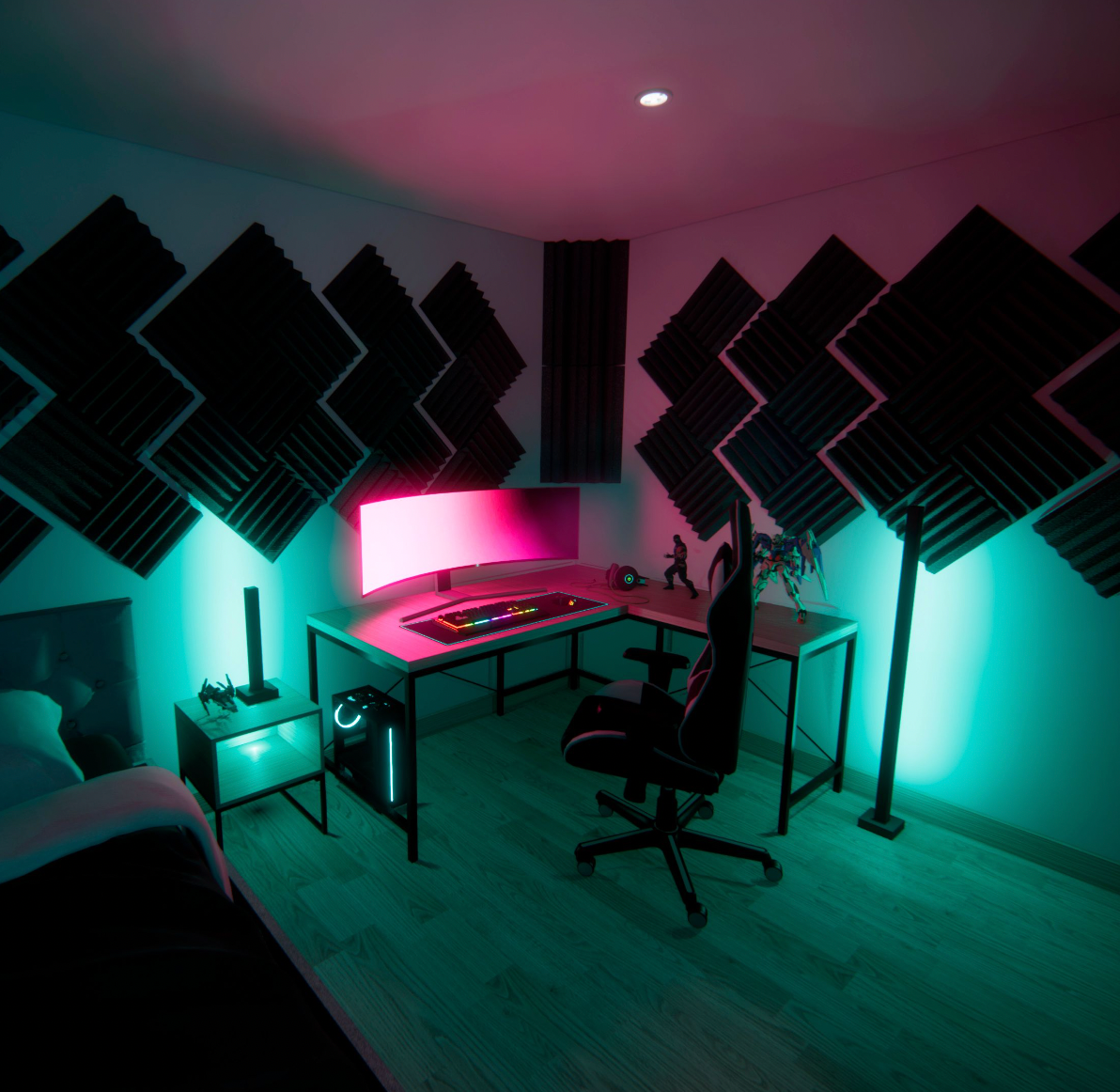
- Acoustic Panels: These are absorption materials designed to reduce echo and reverberation within the room. While they don't block sound from entering or leaving a room as much as mass-based solutions, they dramatically improve the internal acoustics, making your voice sound clearer on stream. Consider panels made from fiberglass or mineral wool for superior performance over basic foam.
- Mass Loaded Vinyl (MLV): This dense, flexible material adds significant mass to walls (and ceilings/floors) without adding much thickness. It can be applied behind drywall or even hung as a temporary sound barrier.
- Soundproof Drywall: Specialized drywall products (like QuietRock) are designed with damping compounds between layers, offering better sound attenuation than standard drywall. This is a heavier lift but highly effective for new constructions or major renovations.
- Wall Hangings & Bookcases: While less effective than dedicated materials, large, thick tapestries, quilts, or even fully packed bookshelves can add some mass and absorption to a wall.
For a deeper dive into materials for walls, windows, and doors, check out our guide on Quiet Your Stream: Top Soundproofing Materials for Walls, Windows & Doors.
Floors: Dampening Impact Noise and Echo
Don't overlook the floor, especially if you're above a noisy area or want to prevent impact noise from traveling downstairs.
- Thick Carpeting and Rugs: This is one of the simplest and most effective ways to absorb sound within the room and prevent sound reflections off hard surfaces. A thick rug with a dense underlayment can significantly reduce echo and dampen impact noise.
- Acoustic Underlayment: For hard floors, installing a specialized acoustic underlayment beneath your chosen flooring material can help decouple the floor from the subfloor, reducing impact noise transfer.
- Rubber Mats/Anti-Vibration Pads: Place these under heavy equipment like your PC tower, subwoofers, or even your desk legs to prevent vibrations from transferring to the floor and walls.
Maximizing Your Soundproofing Efforts: Advanced Tips & Best Practices
- Mind the Gaps: Reiterate the importance of sealing *all* gaps – around electrical outlets (use acoustic putty pads), light fixtures, and vents. Sound is like water; it will find the path of least resistance.
- De-Couple Your Mic: Use a shock mount for your microphone to prevent vibrations from your desk or mic arm from reaching the capsule.
- Strategic Furniture Placement: Heavy, soft furniture like sofas and bookshelves can help absorb sound and break up sound waves within the room, reducing echo.
- Acoustic Ceiling Tiles: For rooms with high ceilings or significant overhead noise, installing acoustic ceiling tiles can make a noticeable difference in both sound absorption and blocking.
- HVAC Duct Silencers: If your HVAC system is a major noise source, consider installing duct silencers to reduce airflow noise.
Conclusion
Transforming your streaming room into a quiet, acoustically optimized space is one of the most impactful investments you can make for your content and your well-being. By strategically implementing a combination of mass, absorption, and sealing techniques using the right soundproofing materials for streaming room applications, you can drastically reduce unwanted noise and echo. Start by identifying your worst noise offenders, then tackle them with the most appropriate solutions, from simple DIY fixes to more robust installations. The result will be clearer audio, increased viewer engagement, and a more enjoyable, professional streaming experience for everyone involved.